Eat Sleep Art Repeat Funny Artist: A Designer’s Honest Review
First Impressions: Quirky, Relatable, and Ready to Stitch
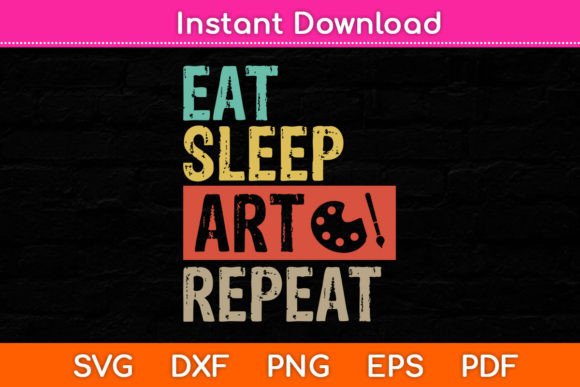
When I first opened the Eat Sleep Art Repeat Funny Artist design file, I was struck by its lighthearted charm. It’s the kind of design that speaks directly to creatives — a playful nod to the daily grind of making art, whether that’s painting, drawing, or crafting. The layout is clean, with bold lettering and a whimsical illustration that adds just enough visual interest without overwhelming the message.
The design’s theme feels like it belongs on a boutique tote bag or a cozy sweatshirt for an artist’s studio gift shop. It’s got that “I’m proud to be a maker” vibe, which is perfect for Etsy sellers and small craft businesses looking to connect with a niche audience.
Real-World Use: From Tote Bags to Sweatshirts
I tested the Eat Sleep Art Repeat Funny Artist design on a few different fabric types to see how it would hold up in real-life embroidery projects. First up was a cotton tote bag — a common go-to for crafters and small shop owners. The satin and fill stitches held up beautifully, with crisp edges and even coverage. The text was readable, and the illustration added a nice focal point without being too busy.
Next, I stitched it onto a medium-weight sweatshirt. The texture of the fabric helped hide any minor imperfections, and the overall look was polished. It looked like a professionally finished product, which is key when you're selling handmade items or custom apparel. For Etsy sellers, this kind of finish can really boost buyer confidence.
I also tried a smaller version on a baby onesie. The design scaled down well, maintaining clarity in the lettering and detail in the art motif. That said, I’d recommend checking the smallest elements before stitching on baby clothes — especially if you're using a lighter thread or a stretchy knit fabric.
Where to Use It — and Where to Be Careful
This design is versatile, but it does have its limits. On dark fabrics, the contrast between thread and background is critical. I tested it in both light and dark mockups and found that white or light-colored thread works best on darker materials to keep the message legible.
One thing to watch for is stitch density. In some areas, especially around the illustration, the fill stitching is fairly dense. That’s great for durability but can cause puckering on thinner or stretchy fabrics. Using a good stabilizer helps, but if you're working with something like a stretchy tee or a curved surface like a baseball cap, test it on a sample first.
The corners of the design are detailed, which is great for visual appeal but could be tricky on textured or layered garments. If you're planning to embroider this onto a patch or a quilted blanket, make sure the hoop size accommodates the full design without distortion.
How It Affects Presentation and Sales
From a branding standpoint, the Eat Sleep Art Repeat Funny Artist design has real appeal for creative entrepreneurs. It's the kind of design that tells a story — and customers love that. Whether it’s used on a personalized gift or a small batch of boutique sweatshirts, this design helps reinforce a maker’s identity.
It also has giftability written all over it. The humor and relatability make it a strong contender for holiday gifts, Father’s Day items, or even as a fun addition to a wedding guest book gift. For Etsy sellers, that kind of emotional connection can translate into better reviews and repeat customers.
Stitching clarity is another big plus. Even on mid-range machines, the outlines are sharp and the text is readable. That’s important for maintaining a professional look, especially if you're selling finished products or digital embroidery files.
Designer Notes: What to Check Before You Stitch
Before jumping into a full project with the Eat Sleep Art Repeat Funny Artist design, here are a few practical tips I picked up during testing:
- Always test the design on scrap fabric first — especially if you're using a new stabilizer or thread color.
- Review the stitch density to avoid puckering on thin or stretchy materials.
- Confirm the hoop size before stitching to ensure the full design fits without distortion.
- Inspect small details like the eyes or brush strokes in the illustration — these can get lost on very fine threads or small scaling.
- Try a black and white mockup first to see how the design reads without color distractions.
- Compare how it looks on both light and dark fabric backgrounds — some thread colors may need adjusting.
- Use a quality stabilizer to prevent shifting or distortion, especially on curved surfaces like caps.
- Double-check licensing terms if you're planning to sell finished items or digital embroidery files — this is especially important for Etsy sellers and digital product creators.
Final Thoughts: A Solid Addition to Your Design Kit
Overall, the Eat Sleep Art Repeat Funny Artist design is a strong, versatile embroidery file that works well across a variety of projects. It’s got personality, clarity, and enough flexibility to suit both personal and commercial use — as long as you take the time to test and adjust for your specific materials.
For crafters and small business owners, this is the kind of design that can become a staple — whether you're making custom apparel, holiday gifts, or printable mockups for your digital shop. It’s not just a cute graphic; it’s a conversation starter, a branding tool, and a customer favorite all in one.